Squarespace Circle Day: New Tools, Human Instincts, and Brands with Something to Say
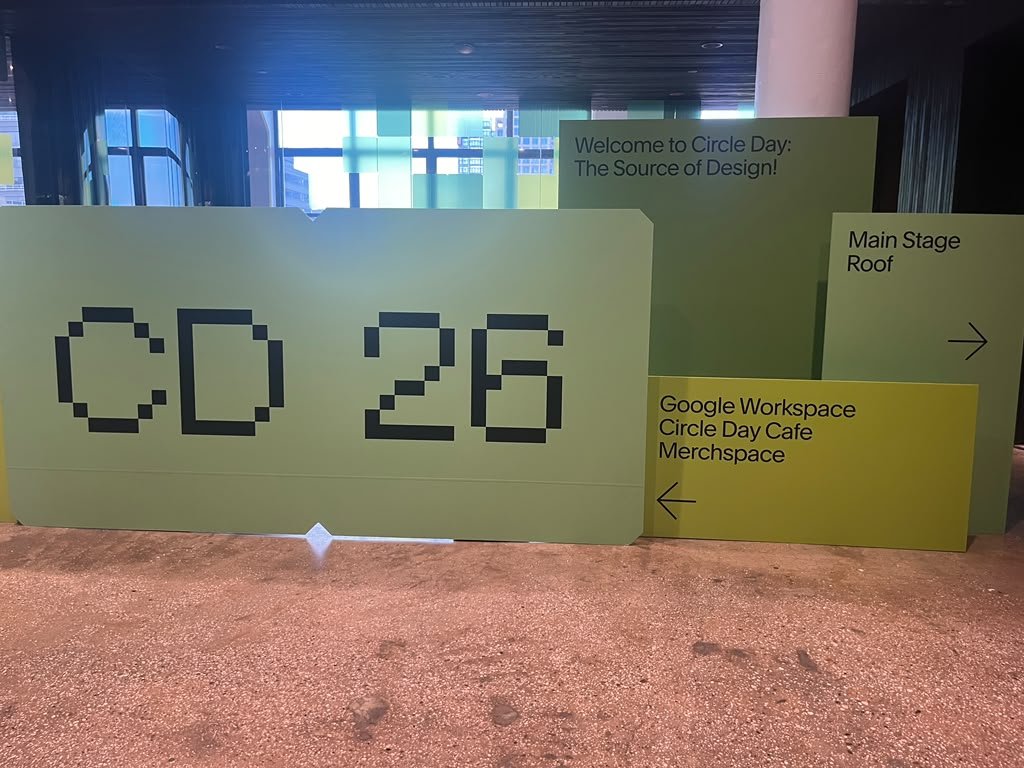
There was plenty to talk about at Squarespace Circle Day, especially when it came to AI. But the conversations I’ve kept thinking about weren’t only about what the technology could do.
They were about what we still need to bring to the work: curiosity, perspective, good questions, and the willingness to make something that doesn’t look or sound like everything else.
I attended with my website designer’s hat on, but kept thinking about the bigger picture we care about at Igni Made. What does all this change mean for the people building a business, finding their voice, and trying to show up as themselves?
New possibilities, not a replacement for direction
The opening keynote gave us a sneak peek at Squarespace Forma. There’s an early-access waitlist if you’d like to follow along.
Later, Squarespace founder and CEO Anthony Casalena discussed Forma and the evolution of AI within our workflows. The day also raised possibilities around AI-assisted creation inside the editor and giving designers more control over how custom work is edited.
I’m interested in what those possibilities could open up. But for me, the exciting question isn’t simply whether we can make something faster.
It’s what we can do with the space that creates. More exploration? Better questions? More time refining an idea until it feels unmistakably right for the business behind it?
Before changing the brand, understand what’s changed
In “Brand Therapy: Identity and Clarity for the Business You’re Building,” Asia David of Die Free Studios explored what happens when your business no longer reflects your vision. It was a conversation about identity as much as offers or aesthetics.
One exercise was to audit the services and packages you’ve delivered across the last three, six, nine, and twelve months. Identify the work you loved and the projects you didn’t enjoy, then look for patterns.
That’s a much more useful starting point than assuming you need to add another service because everyone else is doing it. How you like to work should help shape what you offer.
We also discussed beta services as a way to test a new skill through paid, clearly scoped work with lower-budget clients, gathering feedback and an honest testimonial or case study along the way.
The conversation came back to knowing who you are, setting boundaries, and maintaining a strong foundation. Even something as straightforward as keeping weekends client-free can be part of building a business that fits.
Knowing what to ask is part of the work
“Vibe Coding: Hype, Risk, and Where It Actually Fits” featured Becca Harpain of Inside the Square, Dave Hawkins of Made by Dave, and Will Myers. Their discussion helped put words to the value of expertise when AI becomes part of production.
A tool might help generate a page, but someone still needs to ask whether the page makes sense. Does the layout support the message? Can visitors find what they need? Is there a clear next step?
The panel also touched on easily overlooked details, including accounting for a privacy policy. Looking polished and being ready to launch aren’t necessarily the same thing.
My takeaway was that faster execution doesn’t erase the thinking behind a project. The value is also in knowing what to request, what to challenge, and what needs attention before a client ever sees it.
Originality needs someone paying attention
That theme continued in “Human by Design: Staying Original and Trusting Your Creative Instincts in the Age of AI,” with Clarissa Burton of Clarissa’s Creative Consulting. We discussed how to stay in the creative director’s seat as AI becomes a more permanent tool.
There were real concerns about accuracy and trust. Reviewing an output carefully isn’t an optional finishing touch if you’re responsible for what gets published.
One participant described the emerging role as “curator”: the person guiding, selecting, and reshaping results around what a client actually needs. I found that helpful, as long as curation doesn’t become passive approval.
For me, originality lives in those decisions. What do we keep? What feels too familiar? What might look impressive but tell the wrong story?
The workflow is evolving, not wiping the slate clean
In “Building Products in the Squarespace Ecosystem,” Nick Ippolito of SquareKicker and Will Myers offered a grounded perspective on change. What I took from their conversation was that the language underneath development remains relevant, even as the workflow evolves.
That felt like a useful counterweight to the fear that everything we know is suddenly obsolete. We can learn a different way of working without discarding the experience that helps us recognize good work.
A brand can grow without losing its roots
I also had a consultation with Patricia Johnson of Cultivation Studio, focused on my Paige Madden Design homepage. We discussed expanding my audience beyond hospitality while keeping that experience as part of my positioning.
Although the session focused on my own studio, the question applies more broadly: can your brand make room for where you’re going without pretending your past never happened?
I came away thinking about business stage, shared values, and the people I enjoy collaborating with. An industry category can be useful, but it doesn’t have to describe every possibility.
Keep making room for the work
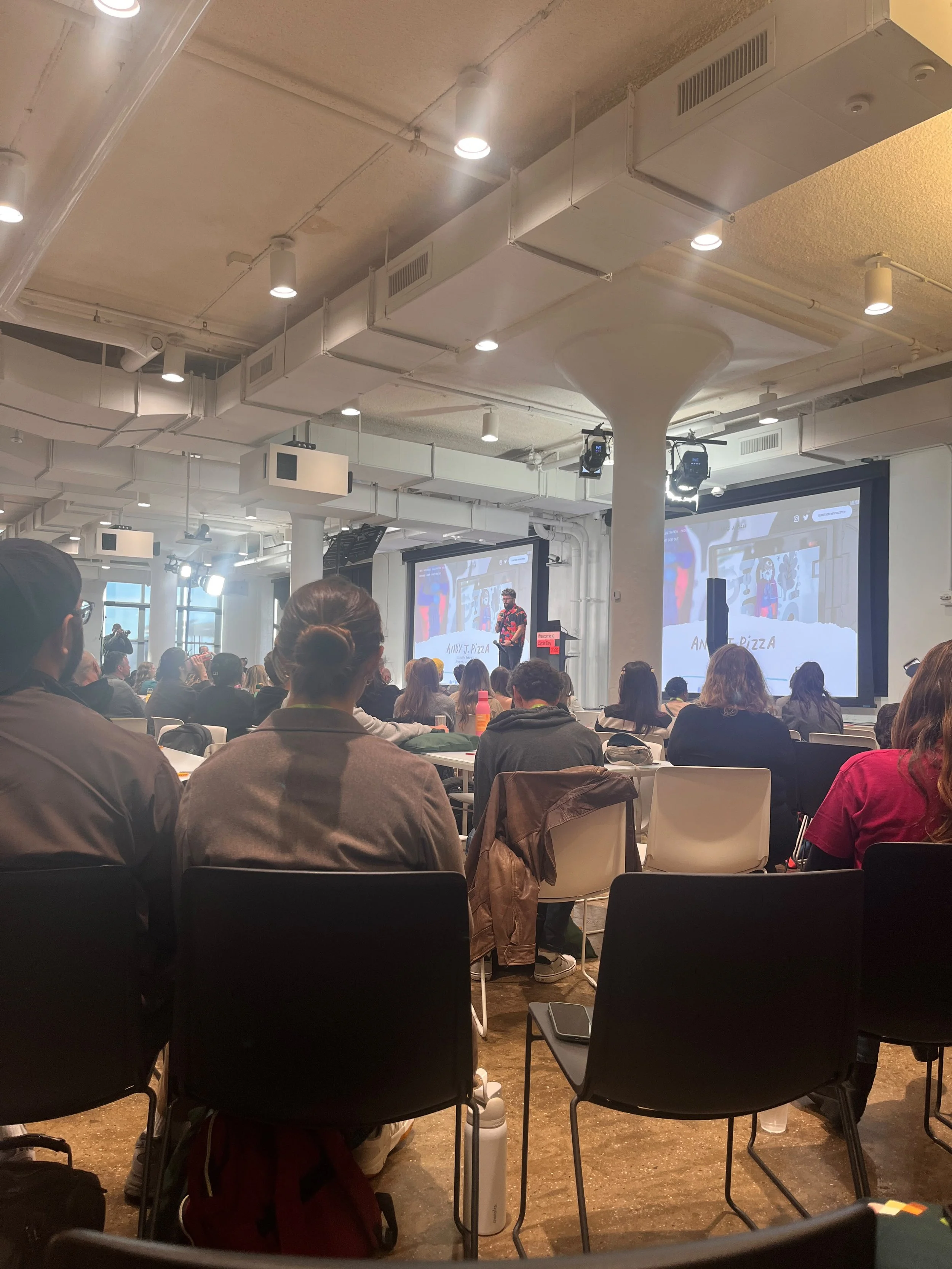
Andy J. Pizza’s keynote, “Creative Resilience: Unlock Your Creative Life Force in Challenging Times,” was a reminder to keep creating through uncertainty. His reflections on failure and finding your style brought the conversation back to practice, patience, and learning.
That’s what I’m bringing back from Circle Day: stay curious about the tools, but stay involved in the decisions. Make room for experimentation without forgetting who the work is for.
At Igni Made, we’re bringing words, visuals, and websites together rather than treating them as disconnected pieces. If your business is ready for a brand that feels more like you, we’d love to hear what you’re building.
Got a spark of an idea?
We’d love to hear about it. Explore the Firestarter Package or get in touch to start a conversation.